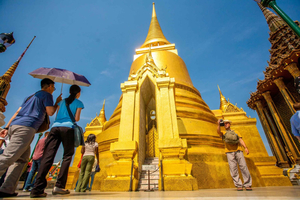
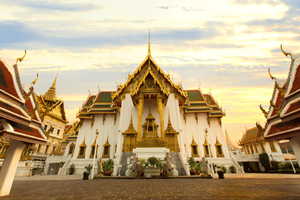
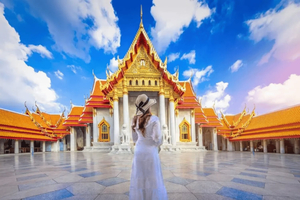
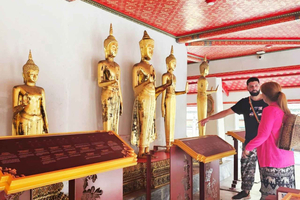
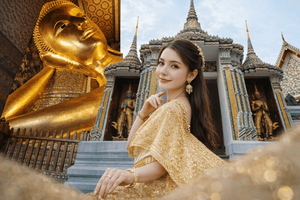
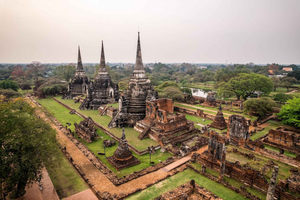
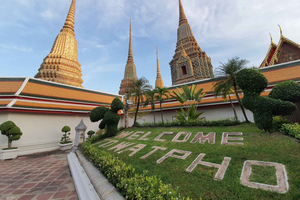
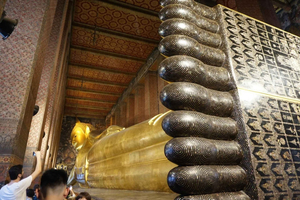
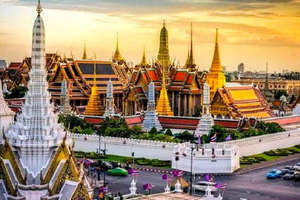
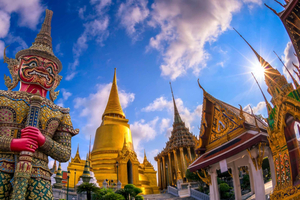
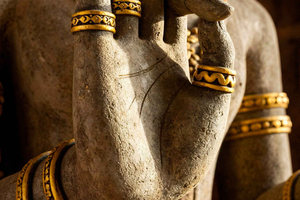
Bangkok’s historical landmarks aren’t just old buildings; they’re living chapters of the city’s story. Walk around the Grand Palace and you’ll feel the weight of centuries pressing down through gilded roofs and intricate murals. It’s hard not to be impressed by Wat Pho, home of the Reclining Buddha, where traditional Thai medicine still hums quietly behind thick temple walls.
And if you want to get a bit off the beaten track, try Ghost Tower, an abandoned skyscraper with a dark history, or visit the Jim Thompson House in the Sukhumvit area to see traditional Thai architecture mixed with fascinating silk trade stories. Bangkok’s rainy season can make exploring some outdoor landmarks slippery, so plan accordingly and maybe carry a pair of shoes you don’t mind getting muddy.
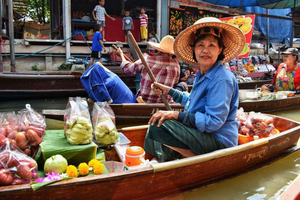
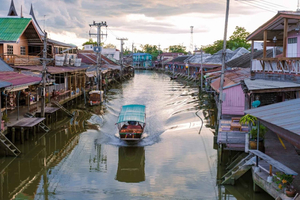
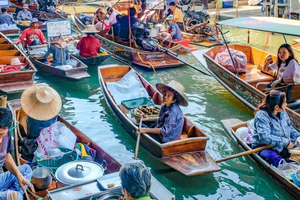
One local tip: go early to avoid crowds at the Grand Palace and don’t miss the Little Museum on Samsen Road. It’s small but packed with quirky insights you won’t find elsewhere. Bangkok’s history isn’t just about ancient kings and temples , it’s in the alleys, the markets, and even the quiet canals if you know where to look.
🌍 Part of the My Guide Network180+ destinations worldwide
If you want a chill morning with fewer tourists, try heading to the Bang Rak district first thing. It’s where you’ll find some lesser-known temples and old European-style buildings, all showing a different side of Bangkok’s history.
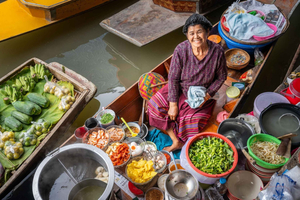
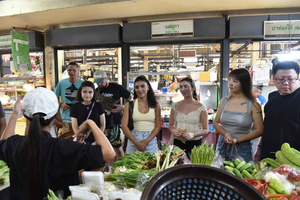
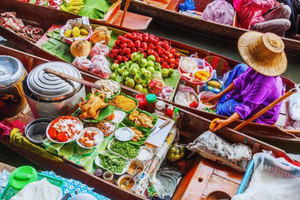
Also, keep an eye out for street food stalls near historical areas,after a few hours of walking, it’s impossible not to get hungry. Grab a bowl of jok (rice porridge) or a sticky mango rice from a local vendor to refuel. Just remember to bring cash; many smaller spots don’t take cards.
Frequently Asked Questions
Got questions about Bangkok’s historical landmarks? Here are some answers from someone who’s been there.
They close on certain Thai holidays, but generally, yes, they’re open daily from 8:30 AM to 3:30 PM. Get there early though,especially if you don’t like crowds.
Most temples allow photos outside and in some inner areas, but never inside where monks pray or in restricted zones. Watch for signs and just ask if you’re unsure.
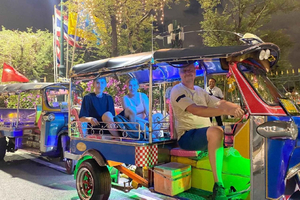
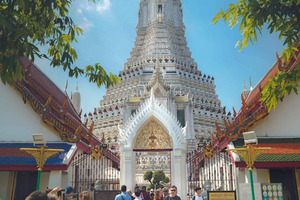
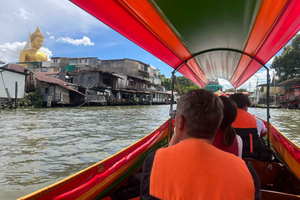
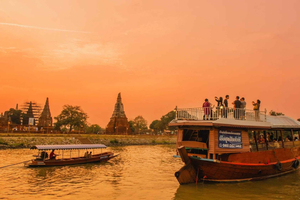
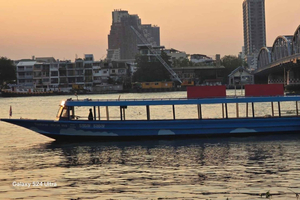
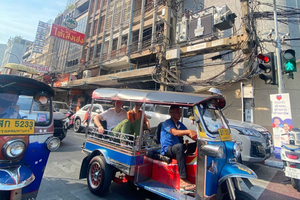
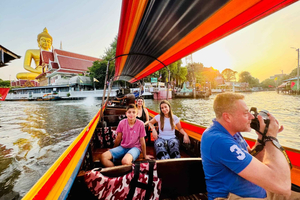
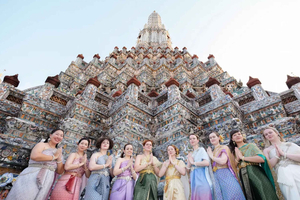
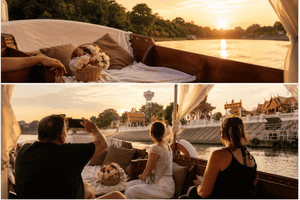
I’d say river boats are both scenic and practical for places like Wat Arun and the Grand Palace area. Tuk-tuks can get expensive and taxis sometimes get stuck in traffic.
You can absolutely wander solo, but a guided tour often sheds light on fascinating details you’d miss. Even a short audio guide app can work if you like reading at your own pace.
Most close by late afternoon, but some places like the Asiatique riverfront have night markets nearby. Wat Arun looks stunning lit up at night, but you can’t go inside after dark.